
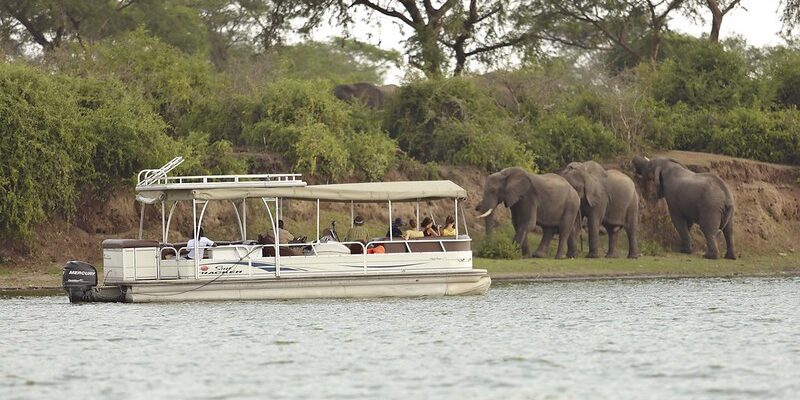
Boat Cruise in Queen Elizabeth National Park: For all visitors to Africa, the Kazinga Channel section of Queen Elizabeth national park is an entirely new experience. The Kazinga channel is a water channel that connects Lake George and Lake Edward. It is a 40-kilometer-long stream of water that runs beneath the famous Mweya peninsular, near the Mweya safari lodge.
The boat cruise on the Kazinga channel will be unlike any other experience you’ve had in Africa. Many visitors to Queen Elizabeth National Park say that “the boat cruise at Kazinga channel is the highlight of any Uganda Safari”
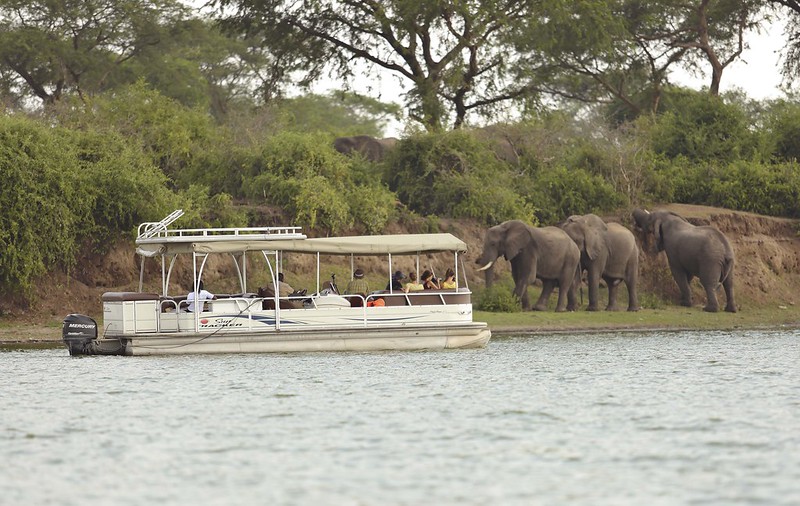
The boat cruise lasts 3-4 hours and is led by experienced professional guides. During the boat cruise, the guides will provide you with all of the information you need about the boat cruise and the history of Kazinga channel, as well as all of the explanations you need about the wildlife along the channel’s shores.
The guides are so knowledgeable that they will answer any question you have about the animals and birds, the surrounding vegetation, the color of the water, and so on. They will also provide you with information on the communities surrounding Kazinga channel. What a wealth of information to supplement your enjoyment of the boat cruise!
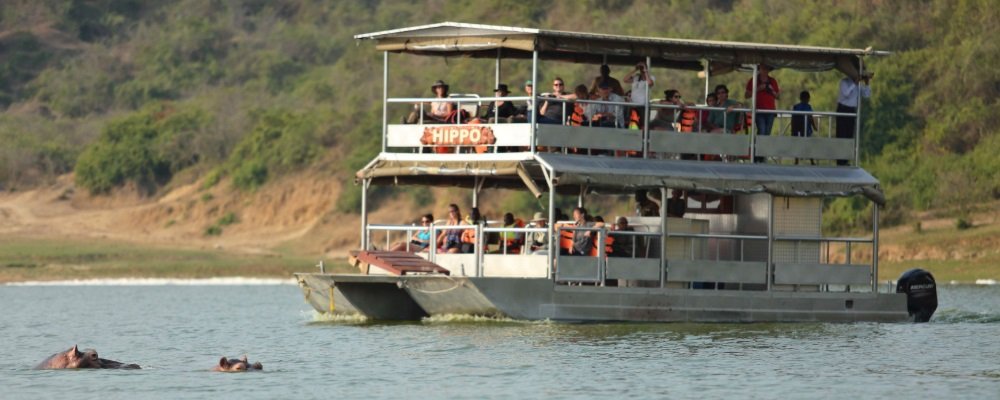
The Kazinga channel boat cruise takes place twice daily, in the morning and in the afternoon. The morning cruise begins at 11:00 a.m. and ends at 1:00 p.m., while the evening cruise begins at 2 p.m. and ends at 5 p.m. However, in order to meet visitor demand, the number of rounds of the boat cruise is sometimes increased to three. The boat cruise along the channel is a spectacular experience as you learn more about African wildlife such as birds, animals, and reptiles, among others.
You can have a fantastic experience in a 20-seat vessel along the channel while watching and learning about the wildlife. You can learn about hippos’ behavior; unlike the other animals in the park, hippos spend the entire day in the water. The hippos travel long distances during the night while eating grass, and they return to the water before the sun rises. It is believed that hippos behave in this manner because they have a lot of fat beneath their skin and the sun hits their skin directly because they have no fur on their bodies.
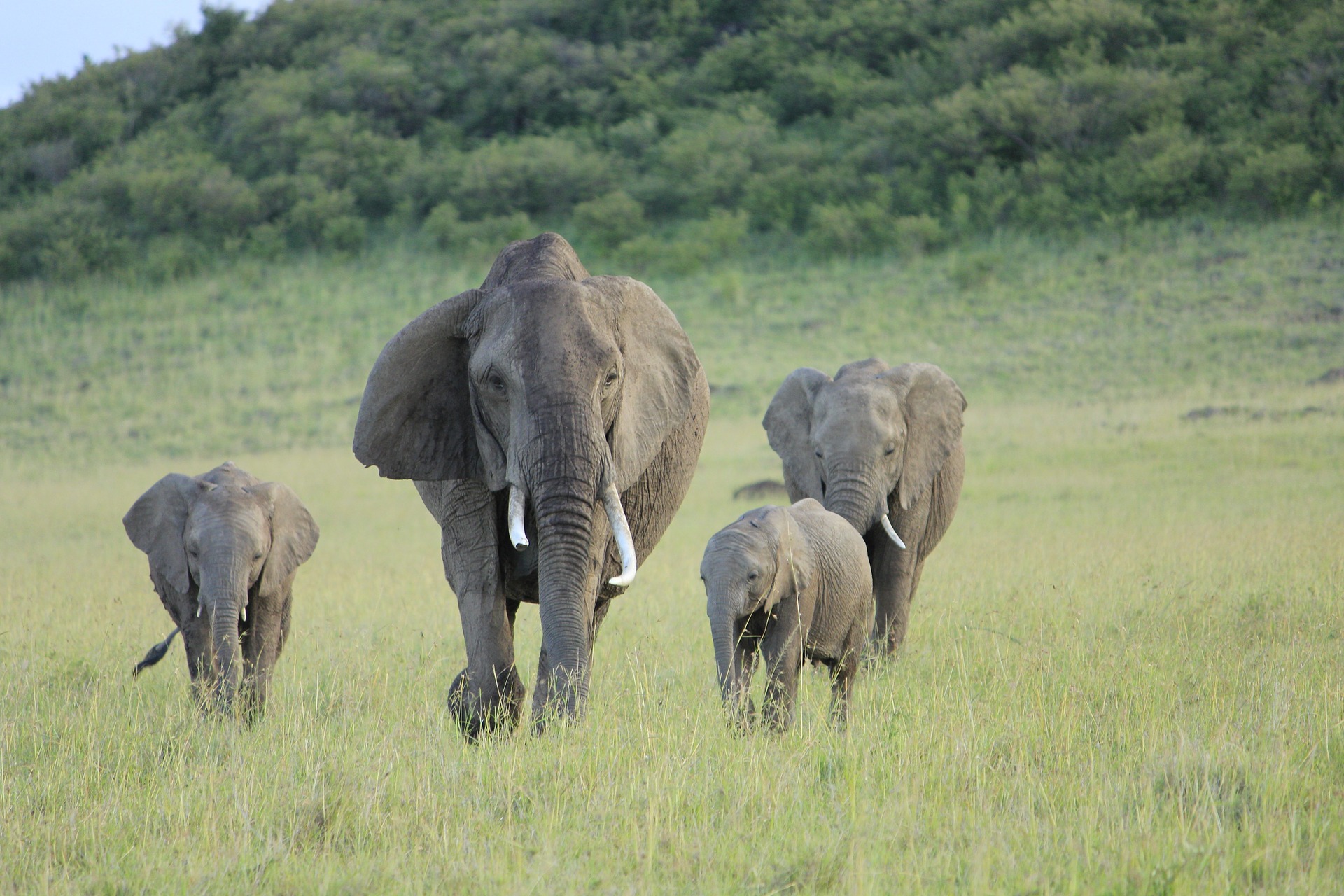
During the boat ride, you will have the opportunity to see crocodiles; it is said that these crocodiles did not stay in this area many years ago due to volcanic activity in the area, but after some time, they learned that the eruptions had stopped and returned to the Kazinga channel along River Semliki. You will also see buffaloes, elephants; if you are lucky, you may even see these massive mammals coupling on the beach, waterbucks, Statunga antelopes, and Bushbucks, among other animals.
As if that weren’t enough, the Kazinga channel is home to 612 different bird species from all over the world. It is one of Uganda’s protected birding areas, and it has been designated as an important birding area (IBA) by Birding International. Among the birds you will see on the boat cruise are the African fish eagle, African spoonbills, great comorants, African skimmers, pelicans, king fishers, the majestic African fish eagle, the goliath heron, and the hard to find shoe bill stork (an endangered bird species).
Other Safari Activities in Queen Elizabeth National Park.
Game Drives:
Several game drives in Queen Elizabeth National Park will allow you to see a variety of interesting things in the park for a wonderful Uganda safari trip. There are three sessions of safari game drives conducted in the Park that is; morning, afternoon, and evening game drives. The morning game drive, which starts as early as 06: 30 am, gives you a chance to view a variety of herbivores in the park catching their first feed of the day. Also, you will be able to catch the predators on their way back to their hideouts. Thus, expect immense sights of Elephants, buffaloes, Uganda kobs, oribis, impalas, lions, leopards, and many other exciting attractions. The game drive lasts at least 4 hours, after which you return to your lodge for breakfast.
During the nighttime game drives in Queen Elizabeth National Park, you will have the opportunity to view a variety of nocturnal animals in the park catching their prey in the wild, such as lions, leopards, hyenas, etc. While in the park, you can also participate in nocturnal game drives, which will allow you to see how the park comes to life when the sun goes down. Among the notable bird species that can be seen during the night game drives are night jars.
Chimpanzee Trekking in Kyambura Gorge
Another protected region that offers good chimpanzee trekking experiences in Uganda is Kyambura Gorge. The rainforest is located in the far eastern part of Queen Elizabeth National Park. The 1-kilometer-long and 300-foot-deep “Valley of the Apes” canyon is bordered by huge savannah grasslands, rift valley craters, and the Rwenzori Mountains, which provide a brooding backdrop to the spectacular panorama. The gorge is home to chimpanzees, among other primates. Trekking chimpanzees down the steep slopes of the ravine, past the vines and gigantic fig trees, will transport you to an underground forest.
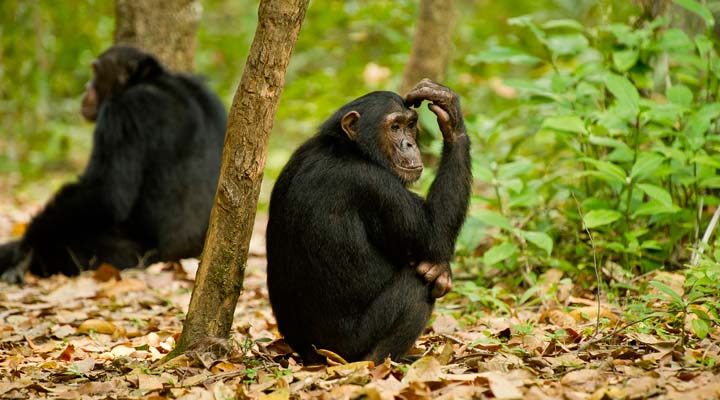
You’ll be wading through streams and crossing rivers in search of the chimp group; once there, you can spend an hour observing them feed, socialize, play, and go about their daily rudimentary activities. It’s like peering into a time machine and seeing Homo sapiens two million years ago. Chimpanzee permits for Kyambura cost USD 50 per person for foreign non-residents, USD 40 for foreign residents, and UGX 30,000 for East African Citizens. Every day, there are two guided chimp excursions, one in the morning and one in the afternoon.
Birding
Participate in birding in Queen Elizabeth National Park, which will expose you to a variety of rewarding bird species. Queen Elizabeth National Park is one of the most memorable birding destinations in Uganda with over 612 recorded bird species. Among these include Spur-winged Geese, Little Grebe, Common Moorhen, Hadada Ibis, African Fish Eagle, Pygmy Kingfisher, White-browed Coucal, Grey-capped Warbler African Darter, African Wattled Lapwing, Blue-cheeked Bee-eater, Common Squacco Heron, Crowned Lapwing, and Eastern Grey Plantain-eater, to mention but a few.


